
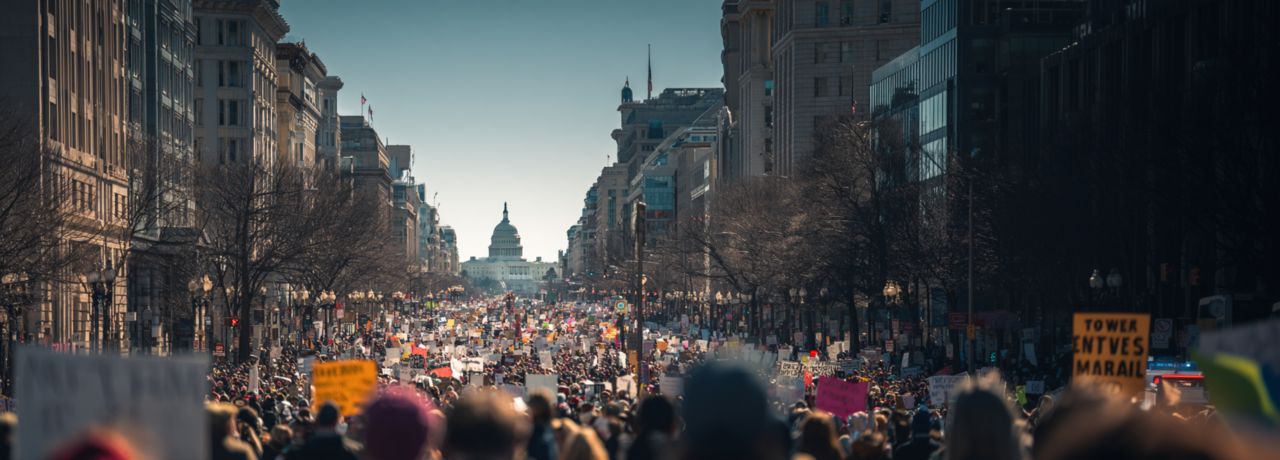
When we find the present disappointing or the future uncertain, we often look back to a time when the future felt exciting. It’s no coincidence that the rise of retrofuturism coincides with feelings of digital fatigue and environmental anxiety. Retrofuturism thrives during uncertain times, reflecting our relationship with progress and raising the question: What happened to the future we were promised? Revisiting those lost visions of tomorrow reveals our enduring fascination with innovation and our longing for a more hopeful, human-centered view of technology.
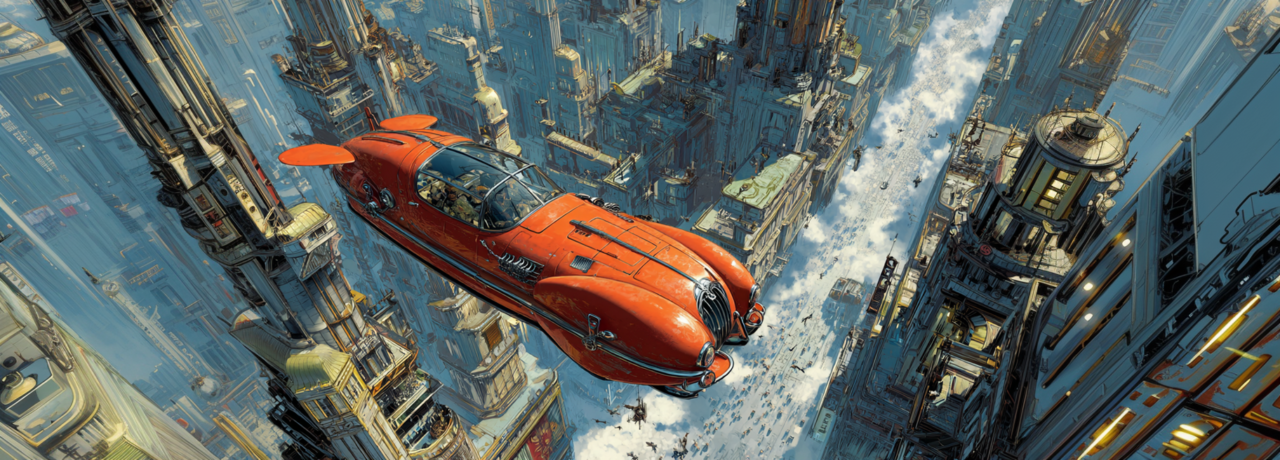
What is Retrofuturism ?
Retrofuturism is an artistic and cultural movement. It explores how people in the past imagined the future, reinterpreting those visions through the lens of the present. It blends vintage styles, materials, and optimism with futuristic technology and themes.
We live in an age of incredible technological advancements—AI assistants, electric cars, reusable rockets—but the cultural mood remains uncertain. Topics like our environment, our politics, and our technology keep us in constant anxiety. While the gadgets are impressive, the dream can feel hollow. Retrofuturism offers a comforting antidote: a reminder that the future can be bright, elegant, and human-centered, ultimately fulfilling its promise.
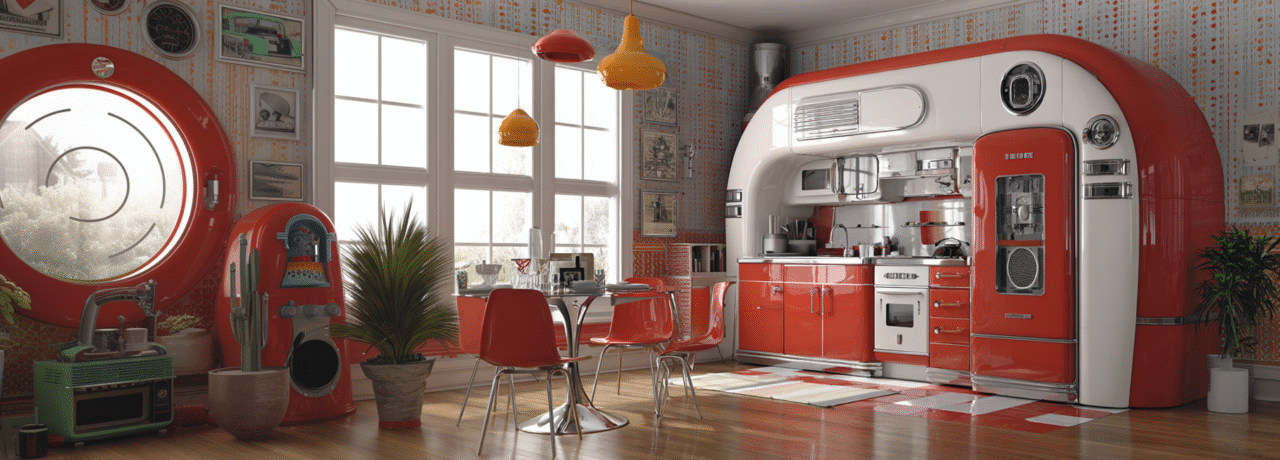
Movies vividly portray not only the style but also the environment in which these visions exist. From the dark worlds of “Blade Runner” and “Star Wars” to the friendly, fanciful settings of “The Fifth Element,” these films capture the essence of retrofuturism.
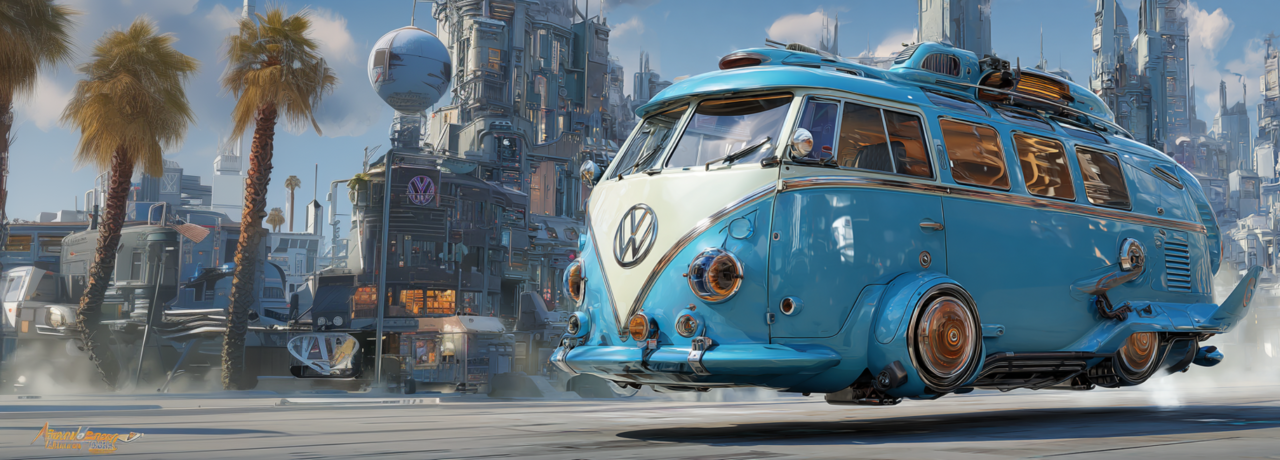
The true heart of retrofuturism lies not in a love for old designs but in a longing for hope itself. The Mini’s cheerful grin, the rounded charm of the VW ID. Buzz, the totally cool throwbacks of Ready Player One, and the gleaming skylines of “The Fifth Element” all convey a shared promise: that the future, no matter how strange it may turn out to be, can still be beautiful.
In this sense, retrofuturism is not just an aesthetic; it serves as emotional therapy, giving form to our collective yearning for a future worth believing in. Sometimes we need to take a leap like Lee Loo to find what we need.